2026-08-25 ·
What Homeowners Notice After Switching to a Higher MERV Filter
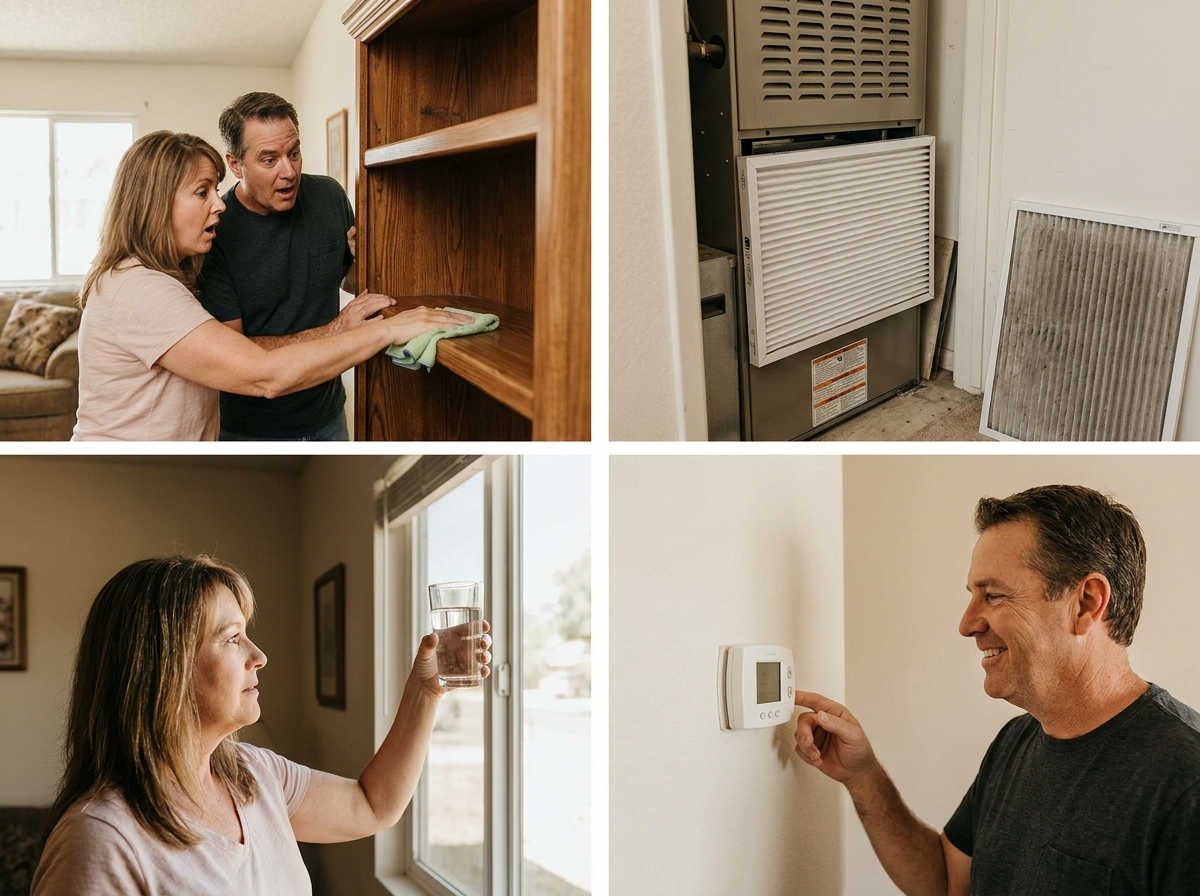
Bakersfield homeowners typically notice reduced household dust settling on surfaces and easier breathing within 1-2 weeks after switching to a higher MERV filter. In Kern County's hot desert climate with very hot summers, these filters capture more fine particles from windblown dust and pollen that enter homes in neighborhoods like Rosedale and Downtown Bakersfield. The change shows up fastest in older housing stock common across Oildale where single-story homes built decades ago often have looser seals around windows and doors. Residents also report fewer allergy flare-ups during peak summer months when outdoor temperatures push indoor systems to run longer cycles.
Reduced Dust and Allergen Levels Indoors
Higher MERV ratings trap smaller particles that standard filters miss, which directly cuts the amount of grit tracked in from Kern County roads and agricultural areas near Delano and Wasco. In homes around the California Living Museum vicinity, families see less buildup on furniture and electronics because the filter pulls more from the return air stream before it recirculates. This effect compounds in Stockdale where mature landscaping adds seasonal pollen that the HVAC system would otherwise spread. Over several weeks the difference becomes measurable in how often surfaces need wiping compared to previous filter cycles. The improvement holds steady through fall when winds pick up across the valley floor.
Effects on Airflow and System Runtime
Upgrading the filter increases resistance, so systems in Bakersfield often run 5-10 percent longer to maintain the same temperature set point during 100-plus degree afternoons. This shows up on utility bills as slightly higher usage until homeowners adjust fan speeds or schedule more frequent checks. In older Rosedale houses with original ductwork, the change can make weak spots in the system more apparent, leading to uneven cooling between rooms. Regular monitoring prevents strain on the blower motor, especially when units serve homes near Buck Owens Crystal Palace that face constant traffic dust. Residential HVAC Maintenance helps track these shifts without guesswork.
Practical Adjustments for Local Conditions
Homeowners in Kern County benefit from pairing the higher MERV filter with Filter Replacement Service every 30-45 days during summer instead of the standard 90-day interval. This schedule accounts for the heavy particulate load from nearby oil fields and open terrain around Taft. In Downtown Bakersfield properties with limited attic space, the tighter filter also reduces the volume of outdoor allergens entering through older return grilles. Indoor Air Quality Improvement resources explain how to test before-and-after particle counts using simple handheld meters. Residents near the Kern County Museum often combine the upgrade with sealing obvious gaps around doors to maintain balanced pressure.
Long-Term Observations and When to Reassess
After three to six months most Bakersfield users report stable improvements in air clarity without major comfort trade-offs once the system is balanced. In Oildale homes built before 1980, some notice the need to replace the filter even sooner during harvest season when additional field dust enters the area. Checking static pressure readings at the start and end of each season reveals whether the higher MERV rating is still compatible with the existing blower. Signs Your Thermostat Needs Replacement in Older Bakersfield Houses covers related airflow issues that can appear alongside filter changes. Homeowners who track these details avoid unnecessary strain while keeping indoor conditions cleaner through the region's extended hot periods.